


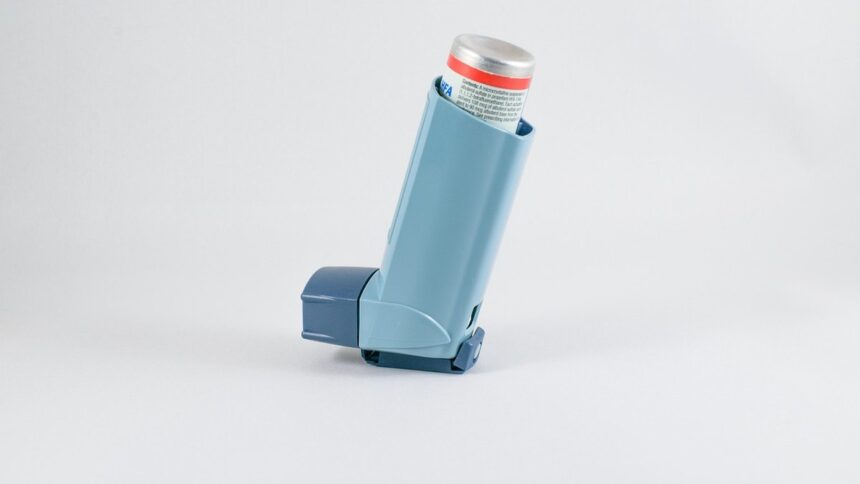
Asthma is a long-term condition that affects the airways, the tubes that carry air in and out of the lungs. Some people have mild symptoms that appear only occasionally. Others have symptoms that occur more often, and they interfere with daily activities such as work, sleep, or exercise. Understanding how asthma works, as well as how health care providers evaluate the condition, can help individuals recognize warning signs and seek appropriate care.
What Is Asthma?
Asthma is a chronic respiratory condition in which the airways become inflamed and sensitive. When a person with asthma encounters certain substances or conditions, the lining of the airways may swell and produce extra mucus. These changes narrow the passages, and they make it more difficult for air to move through the lungs. Common symptoms of asthma include:
- Wheezing, which is a whistling sound during breathing
- Shortness of breath
- Chest tightness
- Coughing
Symptoms vary from person to person, and they may change over time. Some individuals go long periods without noticeable symptoms. Others experience episodes known as asthma attacks or flare-ups. During a flare-up, symptoms become more intense and may develop quickly.
What Causes It?
Current understanding suggests that the condition likely results from a combination of genetic and environmental factors, since a person with a parent or sibling who has asthma may have a higher likelihood of developing it. Other factors associated with asthma include allergies, obesity, and smoking or exposure to secondhand smoke. The underlying causes of asthma differ from the triggers that provoke symptoms. Triggers vary among individuals, but common examples include:
- Airborne allergens such as pollen, dust mites, mold, and pet dander
- Respiratory infections, including colds and the flu
- Physical activity
- Airborne irritants like smoke and air pollution
- Weather-related factors such as cold air
- Strong emotional responses like stress
Identifying personal triggers allows individuals and their health care providers to develop strategies that may reduce exposure.
How Is It Managed?
A health care provider typically begins the diagnostic process by reviewing a person’s medical history, family history, and symptoms. A physical examination, including listening to the lungs, is also common. Spirometry is one of the most frequently used lung function tests; it measures how much air a person can exhale and how quickly. Other evaluations may include peak flow measurements, allergy testing, or chest imaging to rule out other conditions.
Asthma care is tailored to each person, and providers can prescribe two main types of medication. The first is long-term control medication, which is taken on a regular schedule to reduce airway inflammation over time. Inhaled corticosteroids are a common form. The second is quick-relief medication, often called a rescue inhaler, which helps open the airways when symptoms flare up.
Exercise can trigger symptoms for some people, especially during intense workouts. A few simple habits may help you keep playing the sports you love. On days with high pollen or poor air quality, try to move your workout indoors. Do a proper warm-up before exercising, and cool down slowly afterward. It may be beneficial to make sure your coach and teammates know where your inhaler is and what to do if you have trouble breathing.
Seek Care From a Professional
Asthma can change over the course of a person’s life. Certain factors, such as shifts in activity level, may affect how the condition presents. Periodic reassessment with a health care provider allows a management plan to reflect these changes. Inhaler technique also affects how medication reaches the lungs, and providers can review proper use during visits. Individuals who notice persistent coughing, wheezing, or difficulty breathing should speak with a primary care provider for an evaluation.