


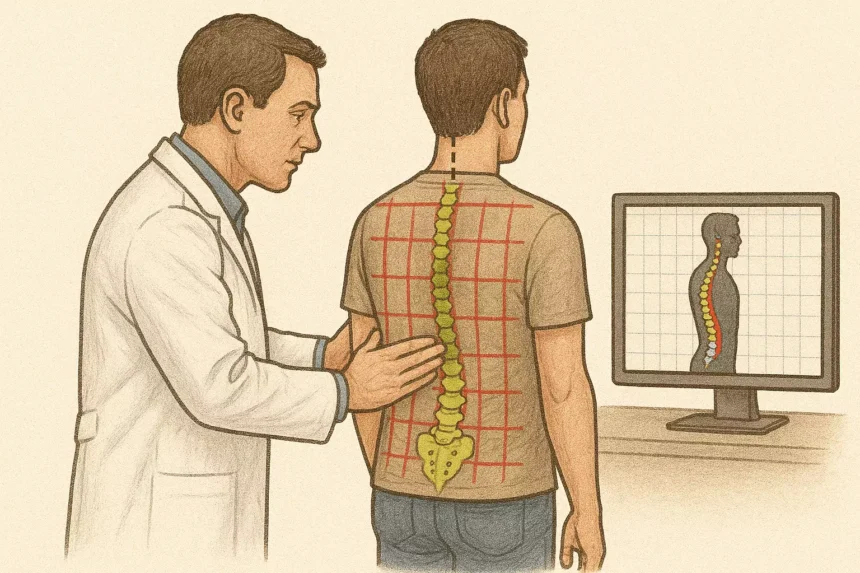
A spine fracture is a break in one or more vertebrae, which are the bones that stack to form your back. Falls, car crashes, and weakened bones cause many of these injuries, and recovery often takes several months. Understanding each stage of care can help you feel more prepared for the weeks ahead. Here is more information on the recovery process after this type of injury:
Prescribed Medications
Pain control plays a large role in early recovery from a spine fracture. As each patient responds differently, your provider will tailor medications to your needs. Typical options include the following, and each one serves a specific purpose:
- Over-the-counter pain relievers, such as acetaminophen or ibuprofen
- Prescribed muscle relaxants for spasms near the injury
- Short-term prescription pain medicine for severe pain
- Bone-strengthening drugs for fractures linked to osteoporosis
Take each medication exactly as directed, even if your pain improves. Some pain medicines cause drowsiness or constipation, so report side effects at your follow-up visit. Never mix prescription pain medicine with alcohol.
Conservative or Surgical Recovery
After imaging confirms a fracture, your provider will review its location, type, and stability. Many stable fractures heal without surgery. Your provider may recommend a back brace, and you may need to limit bending and lifting.
Some fractures press on nerves, or they leave the spine unstable. If this happens, a surgeon may recommend a procedure such as spinal fusion or kyphoplasty. Kyphoplasty uses bone cement to support a collapsed vertebra. Spinal fusion joins two or more vertebrae with rods and screws.
Each path has its own recovery timeline. Brace-based care typically lasts several weeks, and surgical recovery may follow a similar or longer schedule. Ask your provider about expected milestones before you leave the clinic.
Physical Therapy
Physical therapy rebuilds strength around your spine, and it helps restore safe movement. Your therapist will assess your posture, balance, and range of motion. Once your provider confirms the fracture is stable, the therapist will create a plan for you. Most patients attend sessions a few times per week.
Early sessions focus on gentle core and back exercises. As your strength improves, your therapist will add walking, stretching, and light resistance work. Do your home exercises daily, but stop and call your therapist about any sharp pain.
Gradual Recovery
While your spine heals, you will return to daily tasks in small steps. Your provider will set limits for each stage. Follow these limits closely, and track your progress between visits. Full healing may take several months or more. Take these steps:
- Avoid lifting heavy objects until your provider approves it
- Take short, frequent walks to support circulation
- Avoid twisting and bending at the waist
- Sleep on a firm mattress with pillows for support
- Return to driving and work only with your provider’s approval
Schedule Spine Fracture Care Visits
Regular follow-up visits matter because they let your provider track how your bone heals. Bring a list of your symptoms and medications, and write down questions before each appointment. A medical team provides visits and treatment for new or worsening symptoms. Contact a radiology clinic to schedule your next spine fracture care visit.