


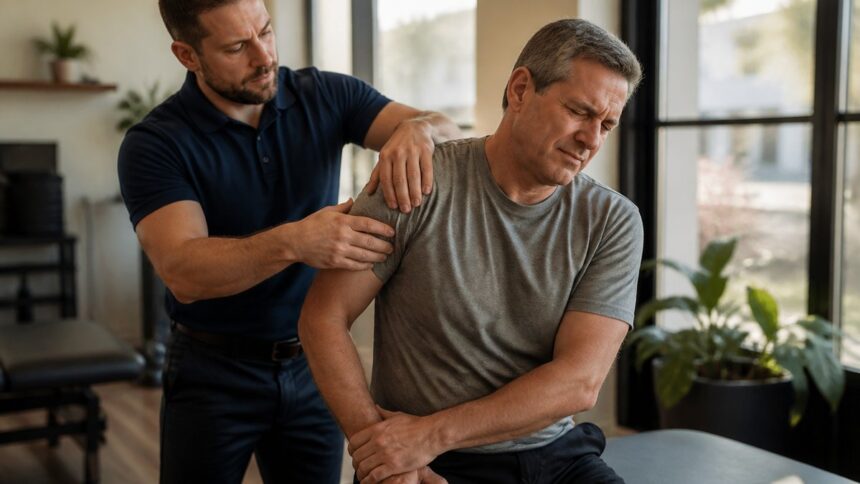
Back injuries can disrupt work and daily routines, especially when back pain lingers for weeks. Strains, disc problems, and irritated nerves may limit bending and lifting; rehabilitation techniques aim to restore movement and help patients return to regular activities with more stability. Here is more information on rehabilitation techniques for back injuries and how back pain is managed throughout the process:
Physical Therapy
Physical therapy often serves as the foundation of rehabilitation after a back injury. A therapist evaluates posture, flexibility, strength, and movement patterns, and this helps them identify what aggravates a patient’s symptoms. This assessment shapes a treatment plan that progresses as the back tolerates more activity.
Targeted exercises focus on several areas at once. Stretching routines may improve flexibility in the hips, hamstrings, and lower back, which reduces strain on injured tissues. Core and upper-back strength training adds support around the spine, while balance work helps patients move with better control. Sessions may also include gentle joint mobilization or soft tissue techniques to ease back pain and stiffness.
Radiofrequency Ablation
When back pain stems from irritated facet joints or certain nerve-related problems, conservative care does not always provide enough relief. Radiofrequency ablation uses heat generated by radio waves to interrupt pain signals from targeted spinal nerves. The goal is to reduce pain long enough for a patient to stay active, and this helps them rebuild strength.
The process usually starts with diagnostic injections to identify the nerves involved. If those injections temporarily reduce pain, radiofrequency ablation becomes an option. A thin needle is guided near the affected nerve with imaging, and controlled heat is applied to create a small lesion in that nerve. This lesion disrupts the pain pathway while leaving nearby structures intact.
After the procedure, patients can return to light activities relatively quickly, and they resume physical therapy to maintain mobility. Less pain supports better participation in core exercises, posture training, and walking programs. Although targeted interventions address specific sources of pain, ongoing rehabilitation helps patients maintain their progress as they return to work and recreation.
Spinal Cord Stimulation
Spinal cord stimulation is an advanced option for chronic back pain that has not responded to more conservative treatments. A small device delivers mild electrical impulses to the spinal cord; this changes how pain signals are perceived by the brain. Instead of constant pain, some people may feel a more tolerable sensation or less intense discomfort.
Spinal cord stimulation works alongside rehabilitation rather than replacing it, helping patients improve physical function and participate more fully in daily activities as pain decreases. Benefits may include:
- Improved mobility
- Greater therapy participation
- Increased daily independence
- Long-term functional improvements
For individuals living with long-standing back pain, spinal cord stimulation provides another way to improve quality of life when other treatment options have failed.
Find Relief From Back Pain
Back injuries may respond to a plan that blends targeted procedures, structured exercise, and day-to-day movement strategies. Some people need only physical therapy, while others explore options such as radiofrequency ablation or spinal cord stimulation to manage persistent symptoms. The right mix depends on your diagnosis, lifestyle, and goals. If you are dealing with ongoing back pain, a pain specialist can help you review these rehabilitation techniques and decide what fits your situation.