


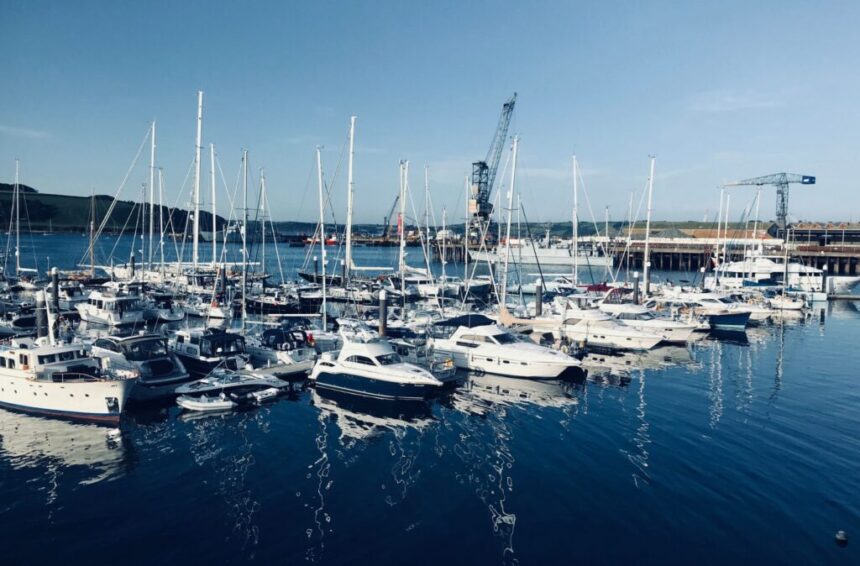
Off-season boat preparation involves more than protecting the vessel from winter weather. Storage dimensions, trailer access, equipment placement, and facility features all affect how you store the boat. Boat storage facilities come in different configurations, so the right setup depends on the vessel and trailer dimensions. Here are the steps for preparing for off-season boat storage:
Measure Boat Dimensions
Boat dimensions help determine the best storage options for the vessel and trailer. Length is only part of the equation, since towers, motors, and other equipment can add to the overall footprint. Height also matters for enclosed spaces, while trailer width affects movement through entrances and drive aisles. Measuring the boat while it remains on the trailer provides a more accurate storage profile.
Select Storage Options
Storage arrangements vary by boat size and the type of space available at a particular facility. Indoor units provide enclosed storage, while outdoor and covered parking accommodate larger vehicles that exceed unit dimensions. Some locations also provide drive-up access, which affects how a boat and trailer approach the storage space.
Trailer configuration deserves attention when comparing storage options. Wide drive aisles provide additional maneuvering room, while drive-up spaces reduce the distance between the vehicle and storage area. Checking access conditions before the storage date helps avoid problems when the boat arrives.
Organize Boat Equipment
Boat storage also involves deciding where removable equipment will remain during the off-season. Life jackets, fishing equipment, water sports gear, and other accessories take up extra space when removed from the vessel. A separate storage unit offers an alternative when available parking space cannot accommodate the boat’s loose equipment.
Equipment placement also affects how easily you can access the boat later. Frequently used items work better near the storage entrance, while seasonal gear can be stored in less accessible areas. Keeping equipment grouped by use also reduces unnecessary movement around the boat and trailer.
A clear inventory provides a useful reference when the boating season returns. Items stored separately from the vessel should have identifiable locations, especially when several pieces of equipment share one unit. This approach is especially relevant at boat storage facilities that offer both vehicle parking and traditional storage units.
Check Facility Features
Facility design affects how easy it is to use for off-season storage. Features include security cameras, fenced and gated entrances, lighting, and controlled access at various locations. Access schedules also vary by facility, so ask about location-specific access details and confirm the facility allows pickup when needed. Facility features to be checked include:
- Wide drive aisles for maneuvering the trailers.
- Access by direct loading via drive-through.
- Covered parking for additional weather protection.
- Security cameras on monitored premises.
- Flexible Boat retrieval for seven days.
Choose Boat Storage Facilities
Planning for the next boating season begins before the boat leaves storage, especially when equipment requires separate preparation. A retrieval checklist can identify registration documents, trailer equipment, safety gear, and accessories that need to remain accessible. Reviewing those items ahead of time reduces delays when the vessel returns to regular use. Contact local boat storage facilities to compare available storage configurations and schedule an appropriate space for your vessel.
- Preparing for Off-Season Boat Storage
- Intelligent Frame Creation: AI Frame Interpolation and Smoother Video
- GrammarVista.com: Complete Guide to Grammar, Spelling, Writing Tools, and American English
- What To Know About Special Events and Celebrations at Country Clubs
- rashywings.com: The Website, Content, Purpose, and Online Presence