


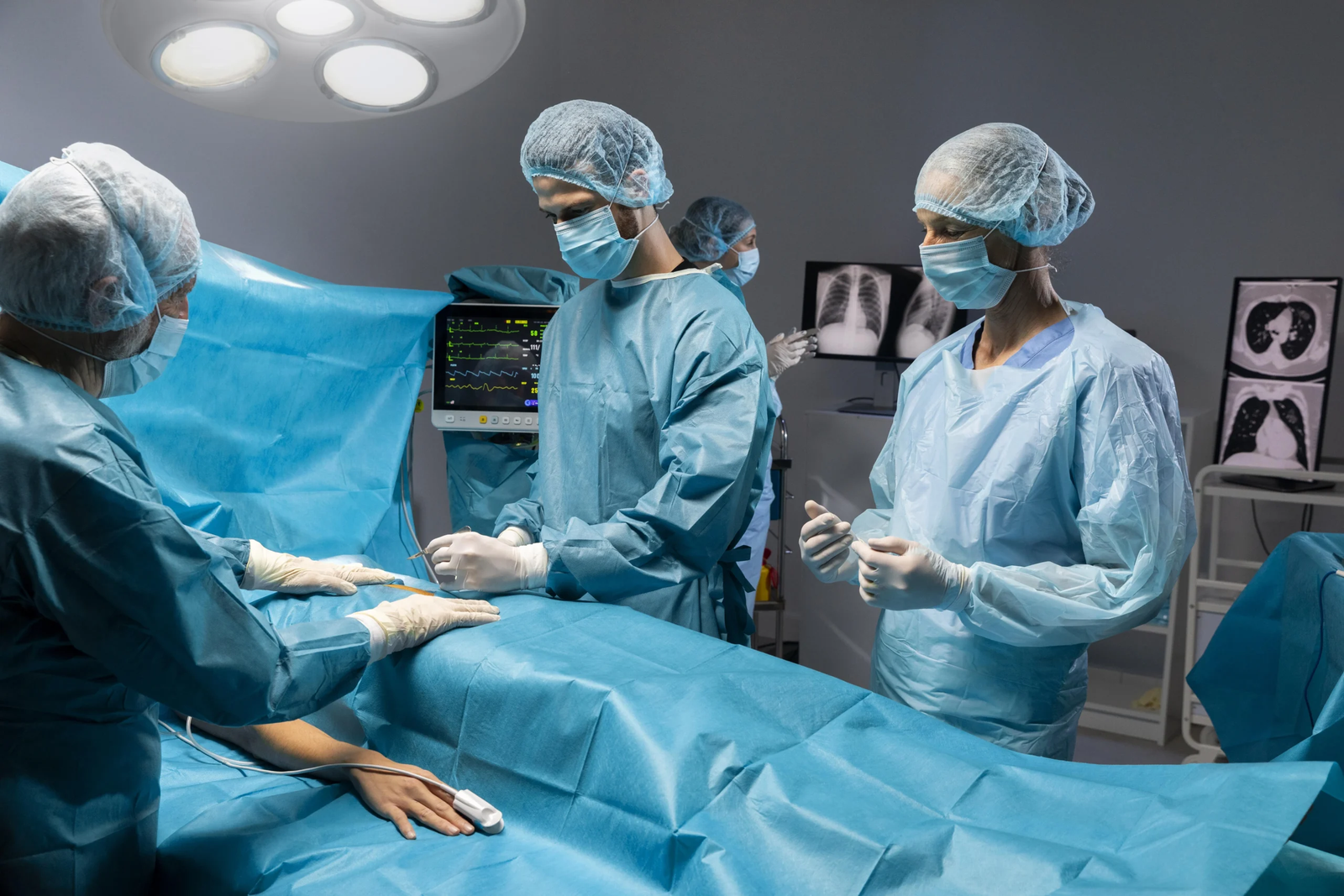
Minimally invasive urology surgery options are becoming increasingly popular because modern medical technology now allows many urological conditions to be treated with smaller incisions, less pain, and faster recovery times. Patients suffering from kidney stones, prostate problems, urinary tract disorders, bladder conditions, or certain cancers often prefer minimally invasive procedures because they reduce hospital stays and improve overall comfort during recovery. Traditional open surgeries usually require larger cuts and longer healing periods, while minimally invasive techniques focus on safer and more efficient treatment methods. This detailed guide by voozon.com explains the different minimally invasive urology surgery options, their benefits, common procedures, recovery process, and how these advanced techniques are improving patient care worldwide.
What Is Minimally Invasive Urology Surgery?
Minimally invasive urology surgery refers to modern surgical procedures used to treat urinary tract and male reproductive system conditions with smaller cuts or no large incisions.
These surgeries often use:
- Tiny surgical instruments
- Cameras
- Lasers
- Robotic systems
- Endoscopic technology
The main goal is to reduce trauma to the body while improving surgical accuracy and recovery speed.
Why Minimally Invasive Surgery Is Important
Traditional surgeries may require large incisions, longer hospital stays, and more recovery time.
Minimally invasive procedures offer several advantages for patients and healthcare providers.
Benefits of Minimally Invasive Urology Surgery
- Smaller incisions
- Reduced pain
- Faster recovery
- Less bleeding
- Lower infection risk
- Shorter hospital stays
- Smaller scars
These procedures often help patients return to normal activities more quickly.
Common Conditions Treated With Minimally Invasive Urology Surgery
Modern urology procedures are used for many medical conditions.
Common Conditions Include
- Kidney stones
- Enlarged prostate
- Bladder disorders
- Kidney cancer
- Prostate cancer
- Urinary tract blockage
- Ureteral strictures
Doctors select surgical methods depending on the patient’s condition and overall health.
Laser Kidney Stone Removal
Laser lithotripsy is one of the most common minimally invasive urology procedures.
How Laser Stone Removal Works
Doctors insert a thin scope through the urinary tract to reach the stone. A laser then breaks the stone into smaller pieces that can pass naturally or be removed.
Benefits of Laser Kidney Stone Treatment
- No large surgical cuts
- Faster recovery
- High success rates
- Reduced pain
Laser treatment is commonly used for kidney and ureter stones.
Ureteroscopy Procedures
Ureteroscopy is another minimally invasive technique used to diagnose and treat urinary tract conditions.
What Happens During Ureteroscopy
A thin flexible camera is inserted through the urethra and bladder into the ureter.
Doctors may use it to:
- Remove stones
- Examine blockages
- Treat urinary problems
This procedure often requires little recovery time.
Robotic-Assisted Urology Surgery
Robotic surgery has become a major advancement in modern urology.
How Robotic Surgery Works
Surgeons control robotic instruments through a computerized system that provides high precision and better visualization.
Common Robotic Urology Procedures
- Prostate removal surgery
- Kidney surgery
- Bladder surgery
- Cancer treatment procedures
Robotic systems help improve surgical accuracy while reducing tissue damage.
Benefits of Robotic Urology Surgery
Robotic-assisted procedures offer several advantages compared to traditional open surgery.
Benefits Include
- Better precision
- Smaller incisions
- Less blood loss
- Faster healing
- Reduced hospital stays
Many patients recover faster after robotic-assisted procedures.
Laparoscopic Urology Surgery
Laparoscopic surgery is another widely used minimally invasive method.
How Laparoscopic Surgery Works
Small incisions are made to insert cameras and surgical instruments into the body.
Common Laparoscopic Procedures Include
- Kidney removal surgery
- Adrenal gland surgery
- Bladder procedures
Laparoscopic surgery often causes less pain compared to open surgery.
Minimally Invasive Prostate Surgery
Many men suffer from enlarged prostate conditions as they age.
Common Symptoms of Enlarged Prostate
- Frequent urination
- Weak urine flow
- Difficulty urinating
- Nighttime urination
Modern minimally invasive treatments help improve urinary symptoms with less recovery time.
Laser Prostate Surgery
Laser procedures are commonly used to treat enlarged prostate conditions.
Benefits of Laser Prostate Treatment
- Reduced bleeding
- Faster symptom relief
- Shorter hospital stays
- Less recovery time
Laser surgery is especially useful for patients who may not tolerate traditional surgery well.
Transurethral Procedures
Transurethral procedures are performed through the urethra without external cuts.
Common Procedures Include
- TURP (Transurethral Resection of the Prostate)
- Bladder tumor removal
- Urethral treatments
These methods reduce the need for major incisions.
Endoscopic Urology Procedures
Endoscopy allows doctors to view and treat urinary tract problems internally.
Endoscopic Technology Helps With
- Diagnosing urinary issues
- Removing stones
- Treating blockages
- Managing bladder conditions
Endoscopic procedures usually involve minimal discomfort and faster healing.
Minimally Invasive Cancer Treatments
Modern urology also uses minimally invasive techniques for cancer treatment.
Urological Cancers Commonly Treated
- Prostate cancer
- Kidney cancer
- Bladder cancer
Benefits of Minimally Invasive Cancer Surgery
- Better surgical precision
- Reduced tissue damage
- Faster recovery
- Lower infection risk
Robotic and laparoscopic techniques are widely used for cancer surgeries today.
Recovery After Minimally Invasive Surgery
Recovery is usually much faster compared to traditional surgery.
Common Recovery Experiences
- Mild soreness
- Temporary fatigue
- Minor urinary discomfort
Most patients return to normal activities sooner after minimally invasive procedures.
Helpful Recovery Tips
Patients Should
- Drink enough water
- Follow doctor instructions carefully
- Avoid heavy lifting
- Take medications properly
- Attend follow-up appointments
Good post-surgery care supports faster healing.
Risks and Complications
Although minimally invasive surgeries are generally safe, some risks still exist.
Possible Risks Include
- Infection
- Bleeding
- Urinary discomfort
- Temporary swelling
- Rare surgical complications
Choosing experienced urologists helps reduce complication risks.
Importance of Early Treatment
Ignoring urinary symptoms may lead to worsening health problems.
Signs That Need Medical Attention
- Blood in urine
- Severe pain
- Difficulty urinating
- Frequent urinary infections
Early diagnosis often improves treatment outcomes.
Technology Improving Modern Urology
Medical technology continues transforming urology care.
Modern Urology Technologies Include
- AI-assisted imaging
- Advanced robotic systems
- Laser treatment devices
- Digital surgical planning tools
These innovations help improve precision and patient safety.
Advantages Over Traditional Open Surgery
Minimally invasive procedures have changed modern surgery significantly.
Compared to Open Surgery
| Minimally Invasive Surgery | Traditional Open Surgery |
| Smaller incisions | Larger incisions |
| Faster recovery | Longer recovery |
| Less pain | More post-operative pain |
| Shorter hospital stays | Longer hospitalization |
| Reduced scarring | Larger scars |
These advantages make minimally invasive surgery highly preferred for many patients.
Importance of Choosing the Right Surgeon
Experienced surgeons play a major role in successful treatment outcomes.
Patients Should Consider
- Surgeon experience
- Hospital reputation
- Available technology
- Patient reviews
Choosing qualified specialists improves treatment safety and results.
Lifestyle Changes for Better Urological Health
Healthy habits help reduce future urological problems.
Helpful Lifestyle Habits Include
- Drinking enough water
- Reducing excess salt intake
- Maintaining healthy weight
- Avoiding smoking
- Exercising regularly
Healthy lifestyles support urinary tract and kidney health.
Future of Minimally Invasive Urology Surgery
Modern healthcare continues improving surgical technology rapidly.
Future Trends Include
- Smarter robotic systems
- Advanced laser treatments
- AI-assisted surgical guidance
- Faster recovery techniques
Future innovations may make surgeries even safer and less invasive.
Emotional Benefits for Patients
Less invasive procedures also improve emotional comfort.
Emotional Advantages Include
- Reduced fear of surgery
- Faster return to normal life
- Better confidence during recovery
Patients often feel less stressed when procedures involve smaller incisions and quicker healing.
FAQs
1. What is minimally invasive urology surgery?
It refers to modern surgical procedures that use smaller incisions, cameras, lasers, or robotic systems to treat urological conditions.
2. What conditions can be treated with minimally invasive urology surgery?
Kidney stones, enlarged prostate, bladder disorders, urinary blockages, and some cancers can be treated using minimally invasive techniques.
3. Is minimally invasive surgery safer than traditional surgery?
These procedures often involve less pain, smaller scars, reduced bleeding, and faster recovery compared to open surgery.
4. How long does recovery take after minimally invasive urology surgery?
Recovery time varies by procedure, but many patients recover faster than with traditional open surgery.
5. What are the benefits of robotic-assisted urology surgery?
Robotic surgery provides better precision, smaller incisions, reduced blood loss, and quicker healing for many patients.
Conclusion
Minimally invasive urology surgery options are transforming modern healthcare by providing safer, faster, and less painful treatment methods for many urinary and reproductive system conditions. Procedures such as laser stone removal, robotic surgery, laparoscopic surgery, and endoscopic treatments help patients recover faster while reducing complications and hospital stays.
These advanced surgical techniques are improving outcomes for patients with kidney stones, prostate problems, bladder disorders, and urological cancers. As medical technology continues evolving, minimally invasive urology procedures will likely become even more precise, efficient, and widely available.
This detailed guide by voozon.com highlights how minimally invasive surgery is improving patient comfort, surgical safety, and overall urological healthcare worldwide.