


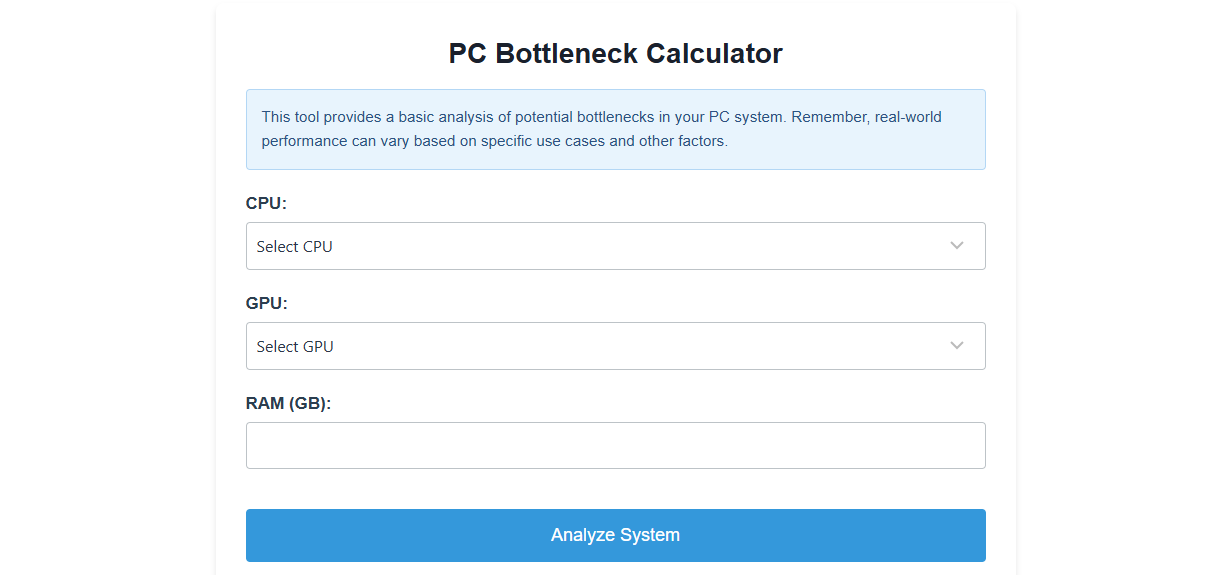
A bottleneck is a common term used in various fields, such as technology, business, and even daily life, to describe a situation where one element slows down or restricts the flow or efficiency of a process. The term originates from the shape of a bottle, where the narrow neck limits the speed at which liquid can flow out. Similarly, in systems or processes, a bottleneck refers to the part that causes delays or inefficiencies, preventing everything else from functioning smoothly.
In this article, we will explore the concept of bottlenecks in simple terms, discuss their impact, and provide some real-world examples. By the end, you will have a clear understanding of what bottlenecks are and how they affect various aspects of life and work.
What Is A Bottleneck In General Terms?
Imagine driving on a busy highway with four lanes that suddenly merge into one. The point where the lanes narrow is a bottleneck. While the road ahead may be clear, the narrowing of lanes slows traffic, causing congestion and delays. This is essentially how bottlenecks work in any system. They occur when one part of a process cannot keep up with the demands placed on it, leading to inefficiencies.
In broader terms, a bottleneck can:
- Slow down the overall performance of a system.
- Cause delays and frustration.
- Result in wasted time, money, or resources.
Types Of Bottlenecks
Bottlenecks can occur in various contexts. Here are some common types:
1. Technical Bottlenecks:
In technology, bottlenecks happen when a component or process limits the performance of the entire system. For example:
- CPU Bottleneck: When a computer’s processor (CPU) cannot keep up with the graphics card (GPU), leading to reduced performance in tasks like gaming or video editing.
- Network Bottleneck: When a slow internet connection restricts the speed of data transfer, affecting activities like streaming or downloading.
- Storage Bottleneck: When a slow hard drive or storage device prevents a system from accessing data quickly.
2. Business Bottlenecks:
In business, bottlenecks occur when one part of an operation slows down productivity. Examples include:
- Manufacturing Bottlenecks: When a machine on an assembly line is slower than others, causing delays.
- Workforce Bottlenecks: When too few employees are assigned to handle a high volume of tasks, leading to backlogs.
- Approval Processes: When decisions require multiple levels of approval, causing delays in projects.
3. Personal Bottlenecks:
In daily life, bottlenecks might include:
- Time Management: When a busy schedule leaves little room for completing important tasks.
- Household Chores: When one task (like laundry) delays other activities.
Causes Of Bottlenecks
Understanding what causes a bottleneck is essential to resolving it. Here are some common reasons:
- Imbalance in Resources: When one part of a system has fewer resources (e.g., staff, bandwidth, or equipment) than others, it creates an imbalance.
- Poor Planning: Lack of proper organization can lead to inefficiencies and bottlenecks.
- Unexpected Demand: A sudden surge in demand can overwhelm a system, exposing weak points.
- Outdated Technology or Methods: Using outdated tools or processes can slow down overall performance.
- Dependency on a Single Point: Relying on one individual, machine, or step in a process creates a bottleneck if it fails or slows down.
How Bottlenecks Impact Performance
The effects of bottlenecks can be far-reaching, often leading to:
- Delays: Processes take longer to complete because the bottleneck slows everything down.
- Increased Costs: Time is money, and delays can lead to higher operational costs.
- Frustration: Whether it’s employees waiting for approvals or users experiencing slow downloads, bottlenecks can lead to dissatisfaction.
- Lower Productivity: Bottlenecks reduce the efficiency of the entire system, impacting output.
- Missed Opportunities: In business, delays caused by bottlenecks can result in lost revenue or market share.
Real-World Examples Of Bottlenecks
1. Traffic Bottlenecks:
A classic example of a bottleneck is traffic congestion at a bridge or tunnel where multiple lanes merge into one. Even if the rest of the route is clear, the narrowing point slows down the entire flow of vehicles.
2. Online Shopping:
During big sales or holiday seasons, e-commerce websites often face bottlenecks when too many users try to place orders simultaneously. This can overwhelm servers, leading to slow loading times or crashes.
3. Manufacturing:
In a factory, if one machine breaks down or operates slower than others, it creates a bottleneck, delaying production and reducing efficiency.
4. Software Development:
In software development, a bottleneck might occur when one team—such as testing—takes longer to complete its tasks than other teams, delaying the project’s release.
5. Healthcare:
In hospitals, bottlenecks often happen in emergency rooms when there are more patients than available doctors or beds, leading to longer wait times.
How To Identify Bottlenecks
Identifying bottlenecks is the first step in resolving them. Here are some tips:
- Analyze Processes: Map out the entire workflow to see where delays or inefficiencies occur.
- Monitor Performance Metrics: Use tools and data to track performance and identify slow points.
- Seek Feedback: Employees, users, or team members often have insights into what’s causing delays.
- Run Simulations: In technology or manufacturing, simulations can help pinpoint bottlenecks by testing the system under various conditions.
How To Fix Bottlenecks
Once identified, bottlenecks can be resolved using these strategies:
1. Reallocate Resources:
Ensure that the part of the system causing the bottleneck has sufficient resources, whether it’s staff, equipment, or bandwidth.
2. Optimize Processes:
Streamline workflows to reduce unnecessary steps and improve efficiency.
3. Upgrade Technology:
Replace outdated tools or methods with faster, more efficient solutions.
4. Train Staff:
Provide training to employees to improve their skills and productivity.
5. Implement Automation:
Automation can help speed up repetitive tasks, reducing the burden on human resources.
Preventing Bottlenecks
Prevention is always better than cure. Here’s how you can avoid bottlenecks:
- Plan Ahead: Anticipate potential challenges and prepare accordingly.
- Regular Maintenance: Keep systems and equipment in good condition to prevent breakdowns.
- Diversify Dependencies: Avoid relying too heavily on one individual, machine, or step in the process.
- Invest in Scalability: Choose systems and tools that can handle increased demand as your needs grow.
Frequently Asked Questions (Faqs)
1. What Is A Bottleneck In Simple Terms?
A bottleneck is a part of a process that slows everything else down, much like how the narrow neck of a bottle limits how fast liquid can pour out.
2. How Do Bottlenecks Affect Performance?
Bottlenecks reduce the efficiency of a system, causing delays, increasing costs, and leading to frustration or missed opportunities.
3. Can Bottlenecks Be Completely Eliminated?
While it’s difficult to eliminate all bottlenecks, they can often be minimized by optimizing processes, upgrading technology, and planning ahead.
4. What Tools Can Help Identify Bottlenecks?
Performance monitoring tools, process mapping software, and simulations are effective for identifying bottlenecks in systems and workflows.
5. Are Bottlenecks Always Bad?
Not necessarily. Some bottlenecks highlight areas for improvement and can serve as opportunities to make systems more efficient.
Final Thoughts:
Bottlenecks are a natural part of any system or process, but understanding them is key to resolving and preventing them. Whether it’s a slow computer, a busy highway, or an inefficient workflow at work, identifying and addressing bottlenecks can save time, money, and frustration. By analyzing the causes and implementing smart solutions, you can ensure smoother operations and better performance in any area of life or work.