


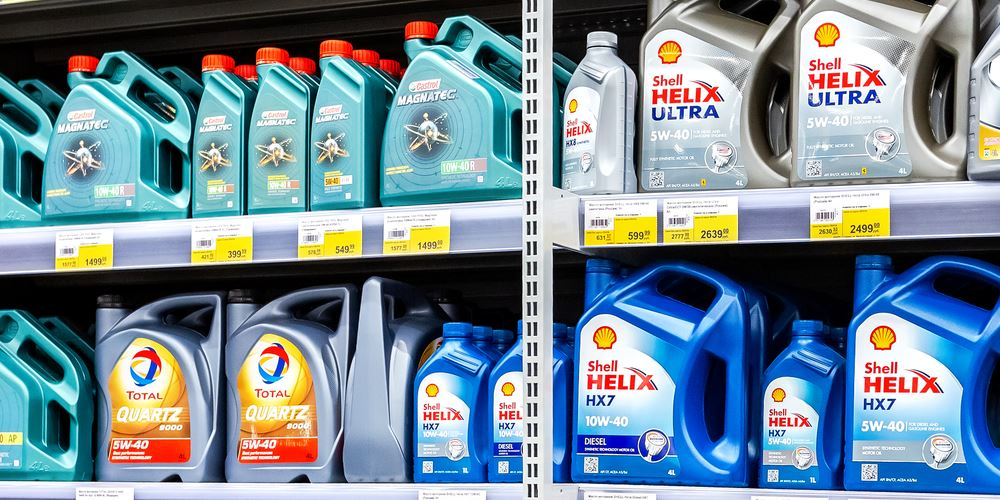
Choosing the right type of oil for generator is essential for ensuring its longevity and optimal performance. With various options available, it can be challenging to determine which oil best suits your generator’s needs.
In this guide, we’ll break down the different types of oils, their benefits, and how to choose the best one to keep your generator running smoothly, whether in everyday use or during an emergency. Read on!
Why Oil Matters for Generators
Oil is the lifeblood of your generator. It lubricates the engine’s moving parts, reduces friction, and helps prevent overheating. With the right oil, you can enjoy the benefit of portable generators. Your generator’s engine can wear out quickly, leading to costly repairs or even a complete breakdown.
Types of Oils for Generators
There are different types of oils you can use for your generator. Choosing the right one is important for the performance and life of your machine. In this post, we will explore the main types of oils for generators and their benefits.
Conventional Oil
Conventional oil is the most common type used in generators. It is made from crude oil and contains various additives. These additives help the oil perform better under different conditions. Conventional oil is affordable and easy to find at most stores.
However, conventional oil needs to be changed more often. It tends to break down quicker, especially in extreme temperatures. If you live in an area with hot summers or cold winters, you might need to change your oil frequently. Despite this, many people still prefer conventional oil due to its low cost and availability.
Synthetic Oil
Synthetic oil is engineered in labs to provide better performance. It is more stable at high and low temperatures. This makes it ideal for generators that run in harsh conditions. Synthetic oil can last longer between changes, which means less engine maintenance for you.
The downside of synthetic oil is its cost. It is more expensive than conventional oil. But, it offers better protection and performance, which can save you money in the long run. Many generator owners opt for synthetic oil to ensure their machines run efficiently and last longer.
Semi-Synthetic Oil
Semi-synthetic oil is a blend of conventional and synthetic oils. It offers a balance between performance and cost. This type of oil provides better protection than conventional oil but at a lower price than full synthetic oil. It is a good option for those looking for reliable performance without breaking the bank.
Semi-synthetic oil is suitable for most generators. It handles temperature changes well and provides adequate protection. If you want a middle-ground solution, semi-synthetic oil might be the best choice for your generator.
High-Mileage Oil
High-mileage oil is designed for older generators with more hours of use. It contains special additives that help reduce wear and tear. These additives also help prevent leaks and improve the overall performance of older engines.
Using high-mileage oil can extend the life of your generator. It is especially beneficial if your machine has been running for a long time. High-mileage oil can help keep your generator in good shape, reducing the need for costly repairs.
Diesel Engine Oil
If you have a diesel generator, you need diesel engine oil. This type of oil is formulated to handle the demands of diesel engines. Diesel engine oil provides better lubrication and protection against soot and deposits. It is essential for keeping diesel generators running smoothly.
Using the right oil for your diesel generator is crucial. Diesel engines operate at higher pressures and temperatures. Diesel engine oil is designed to withstand these conditions and protect your engine. Make sure you use the correct oil recommended by your generator’s manufacturer.
Factors to Consider When Choosing Oil
Selecting the right oil for your generator involves considering several factors:
Manufacturer’s Recommendations
Always start by checking your generator’s user manual. Manufacturers provide specific oil recommendations based on the generator’s engine design. Using the recommended oil ensures optimal performance and can prevent voiding your warranty.
Oil Viscosity
Viscosity refers to the oil’s thickness and its ability to flow at different temperatures. It’s usually indicated by a number and a letter combination, such as 10W-30. The first number (10W) indicates the oil’s viscosity at low temperatures, while the second number (30) shows its viscosity at high temperatures.
10W-30 is a commonly recommended oil for many generators as it performs well in a wide range of temperatures. For colder climates, 5W-30 is a better option because it flows more easily at lower temperatures. On the other hand, 15W-40 is ideal for warmer climates and heavy-duty use, providing the necessary protection and performance under higher stress conditions.
Operating Conditions
Consider where and how you’ll be using your generator. If you’re operating in very cold or very hot conditions, you might need an oil that performs better in those extremes. For instance, synthetic oil is excellent for extreme temperatures.
Frequency of Use
If you use your generator frequently or for long periods, you might benefit from synthetic oil’s extended performance and protection. For occasional use, conventional or synthetic blend oils are often sufficient.
Age and Condition of the Generator
Older generators or those with high operating hours may benefit from high-mileage oil, which contains additives to help protect aging engines and reduce leaks.
Changing Your Generator’s Oil
Once you’ve chosen the right oil, it’s crucial to change it regularly to maintain your generator’s performance. Here’s a step-by-step guide to changing your generator’s oil:
Step 1: Gather Supplies
You’ll need the following items:
- The recommended oil
- An oil filter (if your generator uses one)
- A wrench or oil filter removal tool
- A drain pan
- A funnel
- Rags or paper towels
Step 2: Warm Up the Engine
Run your generator for a few minutes to warm up the oil. Warm oil flows more easily and helps remove more impurities.
Step 3: Turn Off and Disconnect
Turn off the generator and disconnect any electrical connections to ensure safety.
Step 4: Drain the Oil
Place the drain pan under the oil drain plug. Remove the plug and allow the old oil to drain completely. If your generator has an oil filter, remove and replace it with a new one.
Step 5: Replace Drain Plug
Once the oil has drained, replace the drain plug securely.
Step 6: Add New Oil
Using a funnel, add the new oil to the engine. Pour slowly and check the oil level with the dipstick until it reaches the recommended level.
Step 7: Clean Up
Wipe away any spilled oil and dispose of the used oil and filter properly. Most auto parts stores and recycling centers accept used oil and filters.
Step 8: Run the Generator
Start the generator and let it run for a few minutes. Check for any leaks and ensure the oil pressure light goes off (if applicable).
Frequently Asked Questions Regarding Oil for Generators
To keep a generator running smoothly, it’s crucial to use the right oil. Here are some frequently asked questions (FAQs) about oil for generators.
What Type of Oil Should I Use?
The type of oil you should use depends on your generator’s make and model. Most generators use SAE 10W-30 oil. However, always check your generator’s manual for the recommended oil type. Using the wrong oil could damage your generator.
How Often Should I Change the Oil?
You should change the oil in your generator after the first 20-30 hours of use. After that, change the oil every 50-60 hours of operation or at least once a season. Regular oil changes help keep the engine running efficiently and extend its lifespan.
How Often Should I Change the Oil?
Yes, you can use synthetic oil in your generator. Synthetic oil offers better performance in extreme temperatures and provides better protection for the engine. However, always check your generator’s manual to ensure synthetic oil is suitable for your specific model.
How Do I Check the Oil Level?
To check the oil level in your generator, start by turning off the generator and allowing it to cool down. Next, locate the oil dipstick, usually found near the bottom of the engine. Remove the dipstick, wipe it clean with a cloth, and reinsert it fully. After pulling it out again, check the oil level, ensuring it falls between the “Full” and “Add” marks. If the oil level is low, add oil gradually, checking the level as you go until it reaches the “Full” mark.
What Happens if I Don’t Change the Oil?
If you don’t change the oil, it can become dirty and lose its lubricating properties. This can cause increased friction and wear on the engine parts, leading to overheating and potential engine failure. Regular oil changes are essential to maintain your generator’s performance and longevity.
How Do I Dispose of Used Oil?
Proper disposal of used oil is essential to protect the environment. To dispose of it safely, collect the used oil in a clean, leak-proof container. Then, take the container to a recycling center or an auto repair shop that accepts used oil. It’s important to never pour used oil down the drain.
Using the Right Type of Oil for Generator
Choosing the right type of oil for generator is crucial for maintaining its performance and longevity. By considering factors such as manufacturer’s recommendations, viscosity, operating conditions, and the age of your generator, you can make an informed decision. Regular oil changes and proper maintenance will keep your generator running smoothly for years to come.
Ready to keep your generator in top shape? Follow this guide, and you’ll be well on your way to ensuring reliable power whenever you need it.