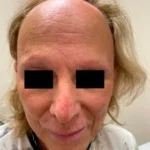


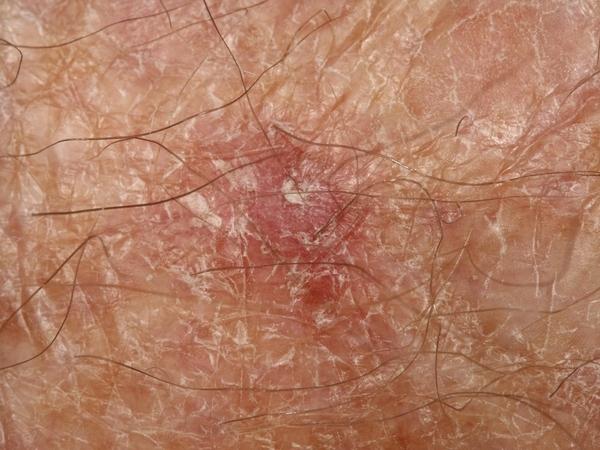
Basal cell carcinoma is a common form of skin cancer that frequently develops on areas exposed to sunlight. Mohs surgery removes cancerous tissue in thin layers, with each layer examined microscopically to identify remaining cancer cells. Because this technique preserves surrounding healthy tissue, dermatologists often recommend it for basal cell carcinomas affecting the face, ears, and other sensitive areas. Here is more information about Mohs surgery for basal cell carcinoma treatment:
Preparing for Mohs Surgery
Preparing for Mohs surgery typically begins with a dermatology consultation to review the skin cancer diagnosis and treatment plan. During this appointment, the dermatologist examines the affected area, reviews medical history, and explains the surgical process. Patients also receive information about procedural expectations, potential risks, and recovery instructions. Because individual health factors vary, preparation recommendations are tailored to each patient’s medical needs.
Before surgery, patients should discuss medications, supplements, smoking habits, and alcohol consumption with their dermatologist. Blood-thinning medications should not be discontinued unless the prescribing healthcare provider specifically recommends doing so. Patients are often advised to eat before their appointment, wear comfortable clothing, and bring activities for waiting periods. Surgery may take several hours because tissue removal and microscopic examination occur in stages.
Understanding the Surgical Process
Mohs surgery begins with local anesthesia to numb the treatment area while the patient remains awake. The surgeon removes a thin layer of tissue containing the visible basal cell carcinoma. This tissue is carefully mapped and prepared for microscopic examination to identify remaining cancer cells.
The surgeon examines the tissue margins to determine whether cancerous cells remain along the edges of the removed layer. If cancer cells are present, another thin layer is removed from the affected location. Because each sample is mapped, the surgeon targets areas containing cancer while preserving surrounding healthy tissue.
The removal and examination process continues until microscopic analysis shows no remaining cancer cells at the examined margins. Some patients require multiple stages, depending on the size, location, and extent of the basal cell carcinoma. Once the margins are clear, the surgeon evaluates the wound and determines an appropriate closure or healing method.
Understanding Recovery and Healing
Recovery after Mohs surgery depends on the wound’s size, location, and method of closure. Patients may experience temporary redness, swelling, tenderness, or mild discomfort around the treated area. Because healing varies, dermatologists provide individualized aftercare instructions and recommendations for returning to normal activities. Common recovery guidelines include:
- Cleaning the surgical site: Follow the dermatologist’s instructions for gently cleaning the wound and surrounding skin.
- Applying prescribed ointments: Use recommended topical products as directed to support wound care during recovery.
- Changing wound dressings: Replace bandages according to the surgical team’s instructions to protect the healing area.
- Limiting strenuous activities: Avoid heavy lifting and vigorous exercise until the dermatologist approves resuming these activities.
- Monitoring healing symptoms: Watch for increasing redness, unusual swelling, persistent bleeding, or other signs of possible complications.
- Attending follow-up appointments: Return for scheduled examinations to assess wound healing, remove stitches when necessary, and discuss ongoing care.
Schedule a Skin Evaluation
Basal cell carcinoma is a common skin cancer that may require surgical treatment depending on its size, location, and characteristics. Mohs surgery removes cancerous tissue in stages while preserving surrounding healthy skin through microscopic examination. Because treatment needs vary, dermatologists evaluate suspicious lesions, review diagnostic findings, and discuss appropriate treatment options. Schedule a skin evaluation with a dermatologist today to determine whether Mohs surgery is suitable for your diagnosis.