


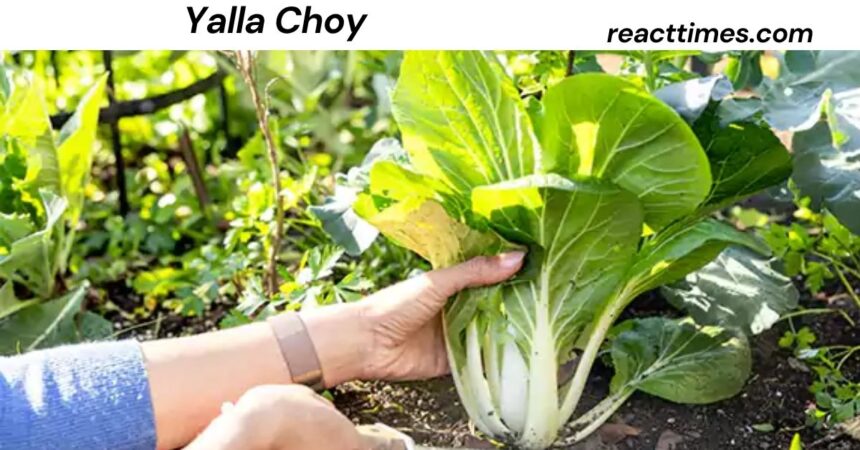
Yalla Choy is a term that may look unfamiliar at first, especially if you are seeing it while searching for healthy vegetables, Asian greens, or new ingredients to add to your meals. Online information about the name can also be confusing because Yalla Choy is sometimes connected with water spinach and other leafy green vegetables.
When the term Yalla Choy is used to describe a leafy vegetable, it is commonly associated with water spinach, also known by names such as kangkong, kangkung, ong choy, water convolvulus, and swamp cabbage. The plant commonly known as water spinach has the scientific name Ipomoea aquatica.
Water spinach is a fast-growing green vegetable that is especially popular in many Asian cuisines. It has tender leaves, long hollow stems, and a mild flavor. It can be cooked in many simple ways, including stir-frying, steaming, boiling, and adding it to soups and noodle dishes.
For people in the United States, however, there is another important part of the story. If Yalla Choy refers to water spinach, growing or importing the plant can involve agricultural regulations because water spinach can grow aggressively in suitable environments.
This guide explains what Yalla Choy means, how it relates to water spinach, what it looks like, how it tastes, its nutritional value, how to cook it, how to store it, and what U.S. consumers should know before trying to grow it.
What Is Yalla Choy?
Yalla Choy is an emerging food-related term that is often used online in connection with leafy green vegetables. In many cases, it is associated with water spinach.
However, Yalla Choy is not a widely accepted scientific name for a specific plant. This is an important detail because food names can vary greatly between countries, communities, grocery stores, websites, and social media platforms.
If a product labeled Yalla Choy is described as having long, hollow green stems and soft leaves, it may be referring to water spinach.
Water spinach is a leafy vegetable that grows especially well in warm and wet conditions. It is commonly eaten throughout parts of Southeast Asia and other tropical regions.
The easiest way to avoid confusion is to look for the scientific name when it is available. If the plant is identified as Ipomoea aquatica, it is water spinach.
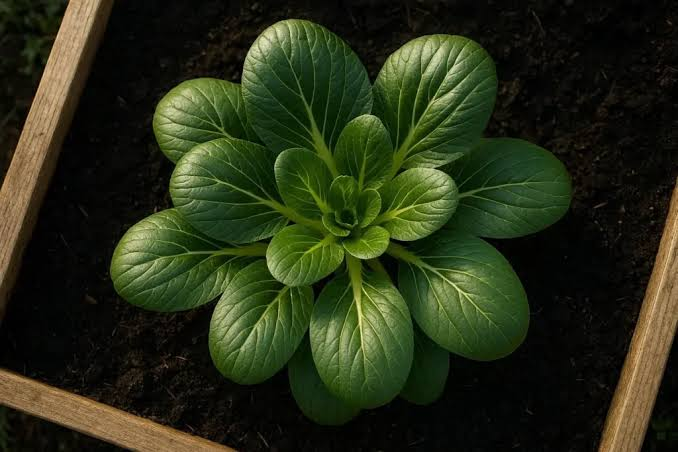
This approach is useful because similar-sounding vegetable names can refer to completely different plants.
Is Yalla Choy the Same as Water Spinach?
In many food-related uses, Yalla Choy is presented as another name for water spinach. However, because Yalla Choy is not a standardized botanical name, it is better to confirm the plant rather than automatically assume that every product with this label is water spinach.
Water spinach has several established common names.
Some of the most familiar include:
- Water spinach
- Kangkong
- Kangkung
- Ong choy
- Ong choi
- Water convolvulus
- Swamp cabbage
- River spinach
These names can vary depending on language and region.
If the vegetable has long hollow stems, tender green leaves, and is associated with wet or tropical growing conditions, it is likely water spinach.
The scientific name provides the strongest confirmation.
Yalla Choy Scientific Name
When Yalla Choy refers to water spinach, the scientific name is Ipomoea aquatica.
The plant belongs to the Convolvulaceae family, commonly called the morning-glory family.
This may seem surprising because the word “spinach” makes many people think of traditional spinach.
Regular spinach and water spinach are not the same plant.
Regular spinach is Spinacia oleracea, while water spinach is Ipomoea aquatica.
This difference is more than a scientific detail. It explains why the plants look different, grow differently, and have different culinary characteristics.
Water spinach is a vine-like plant that can grow across wet soil or water. Its hollow stems help it survive in aquatic or semi-aquatic environments.
Also Read: IncestFlox: What You Should Know About This Online Keyword
What Does Yalla Choy Look Like?
If you are trying to identify Yalla Choy as water spinach, there are several features to look for.
The stems are usually long, green, and hollow. They can be tender when young and somewhat firmer as the plant becomes older.
The leaves are green and can vary in shape. Some varieties have leaves that look narrow and pointed, while others have broader leaves with a heart-like appearance.
The plant has a spreading growth habit.
Under warm and wet conditions, it can grow very quickly. This is one reason it is useful as a food crop in regions where it is traditionally cultivated.
The edible parts generally include the young leaves and tender stems.
One of the most enjoyable characteristics of water spinach is the contrast between the soft leaves and the slightly crisp stems after cooking.
How Does Yalla Choy Taste?
When Yalla Choy refers to water spinach, the flavor is usually mild and fresh.
It does not have the strong bitterness associated with some leafy greens.
The leaves become soft when cooked, while the stems can maintain a pleasant crunch.
This makes water spinach an excellent vegetable for stir-frying.
It can easily take on the flavor of garlic, ginger, chili, soy sauce, sesame oil, fermented seasonings, or other ingredients.
For someone trying water spinach for the first time, a simple garlic stir-fry is often a good starting point.
The mild flavor allows the natural taste of the vegetable to remain noticeable while giving you plenty of room to experiment with seasonings.
Yalla Choy vs. Regular Spinach
Yalla Choy and regular spinach can both be used as leafy vegetables, but they are different plants.
Regular spinach generally has shorter stems and broader leaves that grow close to the ground.
Water spinach has longer stems and a more spreading growth pattern.
The texture is also different.
Traditional spinach becomes soft very quickly when heated. Water spinach has stems that can remain firm and slightly crunchy.
The two vegetables can sometimes be used in similar recipes, but they do not produce exactly the same result.
If a recipe specifically calls for water spinach, using regular spinach will change the texture of the dish.
Yalla Choy vs. Bok Choy
Bok choy is another vegetable that people sometimes confuse with other Asian greens.
Bok choy belongs to the cabbage family and has thick stems with leafy tops.
Water spinach belongs to a completely different plant family.
Bok choy often has pale green or white stems, while water spinach has long, hollow green stems.
Both vegetables work well in stir-fries, but their cooking characteristics are different.
Bok choy can require more time for its thick stems to become tender.
Water spinach usually cooks much faster.
If you are buying Yalla Choy at an Asian grocery store, check the appearance rather than relying only on the name.
Yalla Choy vs. Choy Sum
Choy sum is another popular Asian green.
It is a type of flowering cabbage and belongs to the Brassica group.
Choy sum generally has tender green stems and leaves and may produce small yellow flowers.
Water spinach has a different appearance and belongs to the morning-glory family.
These vegetables can both be used in similar dishes, but they have different flavors, textures, and growing requirements.
When a food name is unfamiliar, identifying the vegetable by its appearance and scientific name is more reliable than assuming that two names refer to the same plant.
Why Is Yalla Choy Becoming More Popular Online?
Food trends often create new search terms.
A vegetable may become popular through social media, food blogs, recipe websites, online grocery stores, or international food communities. As the term spreads, different websites may use it in slightly different ways.
This can make a relatively simple vegetable seem mysterious.
Yalla Choy is a good example of why online readers should look at the actual description of a food rather than relying only on a keyword.
If one page says Yalla Choy is water spinach and another page describes a different vegetable, compare the physical characteristics and scientific names.
This is especially important when buying seeds or live plants.
Yalla Choy Nutrition
If Yalla Choy refers to water spinach, it can be a nutritious leafy vegetable.
Like many green vegetables, water spinach provides a mixture of vitamins, minerals, fiber, and naturally occurring plant compounds.
Its nutritional profile can vary depending on the variety, age of the leaves, growing conditions, storage, serving size, and cooking method.
Water spinach can contribute nutrients such as:
- Vitamin C
- Vitamin A-related compounds
- Dietary fiber
- Calcium
- Iron
- Magnesium
- Potassium
- Folate
- Plant-based protein
- Carotenoids
- Other natural plant compounds
The exact amount of each nutrient depends on how much you eat and how the vegetable is prepared.
For this reason, it is better to think of Yalla Choy as one nutritious vegetable within a balanced diet rather than as a special food that provides everything the body needs.
Potential Health Benefits of Yalla Choy
Eating a wide variety of vegetables is an important part of a healthy eating pattern.
If Yalla Choy is water spinach, it can contribute to that variety.
May Support a Nutrient-Rich Diet
Water spinach provides several vitamins and minerals while adding relatively few ingredients to a meal.
Adding different leafy greens to your diet can help you avoid relying on only one type of vegetable.
Contains Dietary Fiber
Fiber is an important part of a healthy diet.
Vegetables can help increase your daily fiber intake while also providing water and other nutrients.
The amount of fiber you receive from water spinach depends on your serving size and preparation.
Contains Carotenoids
Water spinach contains naturally occurring carotenoids.
Some carotenoids can be converted by the body into vitamin A.
Vitamin A plays an important role in normal vision, immune function, and other body processes.
Adds Variety to Meals
This benefit is easy to overlook.
Healthy eating does not have to be boring.
Trying different greens can make everyday meals more interesting. That can make it easier to maintain a varied diet over time.
Is Yalla Choy Good for Weight Management?
Water spinach can fit comfortably into many healthy eating patterns.
Leafy vegetables can add volume and nutrients to meals without requiring large amounts of high-calorie ingredients.
However, no single vegetable causes weight loss.
Your overall eating pattern, physical activity, sleep, portion sizes, and other lifestyle factors have a much greater effect on body weight.
The way you prepare Yalla Choy also matters.
A lightly cooked vegetable with a small amount of oil is very different from a dish containing large amounts of oil, sugar, or rich sauces.
The vegetable itself can be a healthy choice, but the entire meal should be considered.
How to Cook Yalla Choy
Cooking Yalla Choy is simple if you are using water spinach.
Start by washing the vegetable thoroughly.
Remove any damaged or spoiled leaves.
Cut the longer stems into smaller pieces.
Because the stems can take slightly longer to cook than the leaves, add them first.
Heat a pan with a small amount of cooking oil.
Add garlic or ginger if you like.
Place the stems into the pan and cook briefly.
Then add the leaves.
The leaves will usually wilt quickly.
Season with salt, soy sauce, sesame oil, chili, or another seasoning of your choice.
Avoid overcooking it if you want the stems to retain some crispness.
Easy Garlic Yalla Choy Recipe
A simple garlic preparation can help you understand the natural flavor of water spinach.
You need:
- Fresh water spinach
- Garlic
- A small amount of cooking oil
- Salt
- Optional soy sauce
- Optional chili flakes
Wash and cut the vegetable.
Heat the oil in a pan.
Add chopped garlic and cook briefly.
Add the stems.
After a short cooking period, add the leaves.
Stir everything together until the leaves become tender.
Add a small amount of salt or soy sauce.
If you enjoy spicy food, add chili flakes.
Serve immediately.
This basic recipe can also be adjusted with ginger, sesame oil, mushrooms, tofu, chicken, shrimp, or other ingredients.
Other Ways to Use Yalla Choy
Water spinach is much more versatile than many first-time cooks expect.
Stir-Fried Yalla Choy
This is one of the easiest methods.
Quick cooking preserves some of the natural texture of the stems.
Yalla Choy Soup
Young leaves and stems can be added to soups near the end of cooking.
The greens cook quickly and can add color and freshness.
Yalla Choy With Noodles
Cooked water spinach can be combined with noodles, broth, tofu, meat, seafood, or other vegetables.
Spicy Yalla Choy
Chili peppers, chili paste, or other spicy ingredients can create a stronger-flavored dish.
Yalla Choy With Garlic and Ginger
Garlic and ginger pair naturally with the mild flavor of water spinach.
Yalla Choy With Sesame Oil
A small amount of sesame oil can add a nutty flavor after cooking.
Can You Eat Yalla Choy Raw?
If Yalla Choy refers to water spinach, young leaves can be eaten raw when they are properly sourced and handled.
However, cooked water spinach is a common choice because cooking changes the texture and can provide an additional food-safety step.
The source of the vegetable matters greatly.
Never collect water spinach from an unknown pond, drainage channel, canal, or other potentially polluted water source and assume that it is safe to eat.
Plants growing in contaminated water can potentially come into contact with microorganisms or environmental pollutants.
For the safest approach, purchase produce intended for human consumption from a reputable seller.
How to Wash Yalla Choy
Proper washing is an important part of preparing fresh produce.
Place the vegetable under clean running water.
Gently separate the leaves and stems so that dirt can be removed from different surfaces.
Check for insects, damaged leaves, or visible soil.
Drain the vegetable well.
Avoid using household soap or detergent on fresh vegetables.
If you are preparing the vegetable for a family meal, also make sure your hands, knife, cutting board, and cooking surfaces are clean.
Food Safety and Yalla Choy
Water spinach deserves special attention because of the environments in which it can grow.
The plant can grow in wet soil and water.
That means the quality of the water and growing environment can influence food safety.
Produce grown in contaminated water can potentially carry unwanted microorganisms or accumulate environmental contaminants.
This does not mean commercially sold water spinach is automatically unsafe.
It means that sourcing is important.
Choose vegetables from reliable sellers.
Wash fresh produce appropriately.
Keep raw vegetables separate from raw meat and seafood.
Refrigerate produce when appropriate.
Cook the vegetable thoroughly if you have concerns about its handling or growing conditions.
Can You Grow Yalla Choy in the United States?
If Yalla Choy refers to Ipomoea aquatica, U.S. gardeners should be cautious about growing it.
Water spinach is considered a regulated plant in the United States because of concerns about its ability to spread and affect waterways and natural environments.
The rules can vary by location.
Before purchasing seeds or live plants, check current federal and state agricultural requirements.
Do not assume that because a vegetable is commonly eaten in another country, it is automatically legal to grow everywhere in the United States.
This is particularly important for plants that can spread quickly.
Why Is Water Spinach Regulated?
The issue is mainly environmental rather than culinary.
Water spinach can grow rapidly under warm, wet conditions.
If it escapes from cultivation, it may spread into waterways or wet areas.
Dense plant growth can interfere with water movement, natural habitats, and native vegetation.
This creates a potential ecological problem.
The important distinction is that a plant can be valuable as food while still presenting environmental risks when introduced into ecosystems where it does not belong.
This is why gardeners should follow local rules and avoid releasing cultivated water spinach into natural waterways.
Should You Buy Yalla Choy Seeds Online?
If you see Yalla Choy seeds for sale online, do not rely only on the name.
Check the scientific name.
If the product is Ipomoea aquatica, research the current rules for your location before purchasing or planting it.
Look for information about:
- Scientific identity
- Seller location
- Seed origin
- Import requirements
- State regulations
- Intended use
- Growing restrictions
A product listing can use an informal name, but agricultural regulations generally depend on the actual plant species.
ALso Read: Herbciepscam: Herbal Supplement Safety, Risks, and Red Flags
Where Can You Buy Yalla Choy as Food?
If you are looking for water spinach to eat, searching for several names can make your search easier.
Try terms such as:
- Water spinach
- Kangkong
- Kangkung
- Ong choy
- Ong choi
- Water convolvulus
Asian grocery stores are often a useful place to look for this vegetable.
Specialty produce markets may also carry it.
If you cannot find it under the term Yalla Choy, that does not necessarily mean the vegetable is unavailable.
The store may simply use one of its more established names.
How to Choose Fresh Yalla Choy
When purchasing water spinach, look for fresh-looking leaves and firm stems.
Good-quality greens generally appear lively rather than dull.
Avoid vegetables with:
- Slimy leaves
- Strong unpleasant odors
- Extensive yellowing
- Large amounts of damaged foliage
- Soft or decomposing stems
- Signs of mold
Freshness can vary depending on how long the vegetable has been transported and how it has been stored.
Because leafy greens are perishable, it is usually better to buy an amount you can use within a reasonable period.
How to Store Yalla Choy
Fresh water spinach should be kept cool.
After bringing it home, remove badly damaged pieces.
If the vegetable is very wet, excess moisture can contribute to faster spoilage.
Store it in the refrigerator using suitable produce storage.
Try to use it while the leaves remain fresh and the stems remain firm.
If it becomes slimy or develops a strong unpleasant smell, it is better to throw it away.
Can Yalla Choy Be Frozen?
Water spinach can be frozen, although freezing changes its texture.
Fresh stems are valued partly for their crisp quality.
After freezing and thawing, they may become softer.
For soups, stews, sauces, and cooked vegetable dishes, this texture change may not be a major problem.
If you want the best fresh texture, use the vegetable soon after purchase.
Yalla Choy and Sustainable Agriculture
Water spinach has interesting potential from an agricultural perspective.
It grows rapidly under favorable conditions and can provide repeated harvests.
The plant’s ability to grow in wet environments has also attracted interest in controlled agricultural systems.
Some farming and aquaculture systems have explored the use of plants such as water spinach to absorb nutrients from water.
However, controlled production is very different from allowing the plant to spread into natural waterways.
A responsible approach focuses on controlled cultivation, proper water management, and compliance with local regulations.
Is Yalla Choy a Superfood?
You may see leafy greens described as “superfoods” online.
It is better to approach this term carefully.
Superfood is not a formal scientific category.
Water spinach can certainly be nutritious, but it does not need a special label to be valuable.
A healthy diet benefits from many different vegetables.
Broccoli, carrots, tomatoes, cabbage, kale, lettuce, peppers, beans, and other plant foods each contribute different nutrients.
Water spinach can be one useful addition to that variety.
Who Should Be Careful With Yalla Choy?
For most people, properly sourced and prepared water spinach can be included as part of a balanced diet.
However, people with specific allergies or medical dietary restrictions should consider their individual needs.
Anyone with a known food allergy should stop eating a food if they experience symptoms that could indicate an allergic reaction and seek appropriate medical advice.
People who are especially vulnerable to foodborne illness should also take produce hygiene seriously.
The main point is not to fear the vegetable.
Instead, focus on proper sourcing, washing, storage, cooking, and individual dietary needs.
Common Misunderstandings About Yalla Choy
Yalla Choy Is Not Necessarily Regular Spinach
Despite the word “spinach,” water spinach is a different species from ordinary spinach.
Yalla Choy Is Not Automatically Bok Choy
Bok choy is another vegetable with different botanical characteristics.
A Common Name Does Not Prove Plant Identity
Online names can be informal or inconsistent.
Eating and Growing Are Different Issues
A vegetable can be a normal food in one region while its cultivation is regulated in another.
Wild Plants Are Not Automatically Safe
Never assume that water spinach growing in an unknown waterway is suitable for eating.
How to Confirm What Yalla Choy Means
If you encounter the term Yalla Choy and are unsure what it refers to, use a simple identification process.
First, read the product description.
Second, examine the vegetable’s shape.
Third, look for alternative names.
Fourth, check the scientific name.
If the scientific name is Ipomoea aquatica, you can identify it as water spinach.
This approach is especially useful when searching online because food names are sometimes used differently by different sellers.
Why Yalla Choy Can Be a Useful Search Term
Although Yalla Choy may not be a standardized botanical name, searching the phrase can lead people to interesting information about leafy vegetables and Asian cuisine.
The key is to search beyond the exact keyword.
If you are looking for recipes, search for water spinach or kangkong.
If you are looking for nutrition, search for Ipomoea aquatica.
If you are looking for gardening information, search for the scientific name and check U.S. agricultural regulations.
If you are looking for fresh produce, try the regional names used by Asian grocery stores.
This makes the search much more productive.
Yalla Choy in the American Diet
Asian vegetables have become easier to find in many American cities as grocery stores and food communities become more diverse.
Water spinach can be particularly interesting for people who enjoy cooking international dishes.
It can be added to familiar American meals as well.
For example, chopped cooked water spinach can be served alongside grilled chicken, fish, tofu, rice, noodles, or other vegetables.
It can also be used as a replacement for some leafy greens in selected recipes.
The goal does not have to be creating an entirely new diet.
Instead, Yalla Choy can simply provide another vegetable option.
Tips for First-Time Yalla Choy Buyers
If you have never purchased this vegetable before, keep things simple.
Look for fresh green leaves and firm stems.
Ask the seller whether the product is water spinach.
If possible, confirm the scientific identity.
Buy a small amount the first time.
Try a simple garlic stir-fry.
Pay attention to the texture of the stems.
If you like the flavor, experiment with different sauces and cooking methods.
This is usually easier than starting with a complicated recipe.
Yalla Choy and Modern Food Discovery
The story of Yalla Choy also shows how people discover food today.
In the past, consumers usually learned the names of vegetables from family members, cookbooks, grocery stores, or local communities.
Today, a food name can spread through search engines, short videos, social media, online stores, and recipe websites within a very short period.
Also Read: Newslikeyou.com: Complete Guide to News Like You, Its Content, Safety, and Online Presence
That can introduce people to foods they might never have encountered otherwise.
But it also creates a challenge: not every online food term has a clear or standardized meaning.
That is why basic food literacy matters.
Learning the scientific name, alternative names, appearance, culinary uses, and safety considerations gives you a much clearer understanding than relying on one online description.
Frequently Asked Questions About Yalla Choy
1. Does Yalla Choy have a strong smell when cooked?
Water spinach usually has a relatively mild vegetable aroma. The final smell depends heavily on the ingredients used during cooking. Garlic, chili, fermented sauces, ginger, or other strong seasonings can become more noticeable than the vegetable itself.
2. Can Yalla Choy be used in smoothies?
If Yalla Choy refers to water spinach, young leaves could technically be included in a smoothie when properly sourced and washed. However, cooking is a more familiar preparation method, and people who are new to the vegetable may prefer using it in cooked meals first.
3. Does Yalla Choy contain protein?
Water spinach contains some plant-based protein, as do many leafy vegetables. However, it should not be considered a major protein source. Foods such as beans, lentils, tofu, eggs, dairy products, meat, fish, and other protein-rich foods provide substantially more protein.
4. Can children eat Yalla Choy?
Properly sourced and prepared water spinach can be included in a varied family diet. The vegetable should be washed carefully and prepared in an age-appropriate way. Very young children should receive foods in forms that reduce choking risks, and individual dietary needs should always be considered.
5. Can Yalla Choy replace kale in recipes?
If Yalla Choy refers to water spinach, it can replace kale in some cooked recipes, but the result will be different. Water spinach has more delicate leaves and softer, hollow stems, while kale is generally tougher and more fibrous. Recipes may need shorter cooking times when using water spinach.
Conclusion
Yalla Choy is an interesting food term that can create confusion because it does not have one universally established botanical definition. In many food-related contexts, the term is associated with water spinach, a fast-growing leafy green vegetable known scientifically as Ipomoea aquatica.
Water spinach is different from regular spinach, bok choy, and choy sum. It has long hollow stems, tender leaves, and a mild flavor that works especially well with garlic, ginger, chili, sauces, noodles, soups, and stir-fries.
From a nutrition perspective, water spinach can be a useful part of a balanced diet. It provides various vitamins, minerals, fiber, carotenoids, and other naturally occurring plant compounds. However, it should be viewed as one nutritious vegetable among many rather than as a miracle or “superfood.”
Food safety is also important. Because water spinach can grow in aquatic and wet environments, the quality of the growing conditions matters. Consumers should purchase produce from reliable sources, wash it properly, store it correctly, and avoid eating plants collected from unknown or potentially polluted waterways.
For people in the United States, growing water spinach requires additional attention. If Yalla Choy refers to Ipomoea aquatica, gardeners should check current federal and state regulations before buying seeds or live plants. The plant’s ability to grow quickly and spread can create environmental concerns in areas where it is not meant to grow.
Perhaps the most useful lesson about Yalla Choy is simple: do not depend on an unfamiliar common name alone. When you want accurate information about a plant, check its scientific name and physical characteristics.
If the vegetable is Ipomoea aquatica, you are dealing with water spinach. Once that identity is clear, you can make better decisions about buying it, cooking it, storing it, understanding its nutrition, and learning about responsible cultivation.
Yalla Choy may be a newer or less familiar term, but the vegetable associated with it has a long culinary history and a valuable place in many food traditions. For curious cooks and vegetable lovers, it can be an easy and flavorful way to add more variety to the dinner table.