

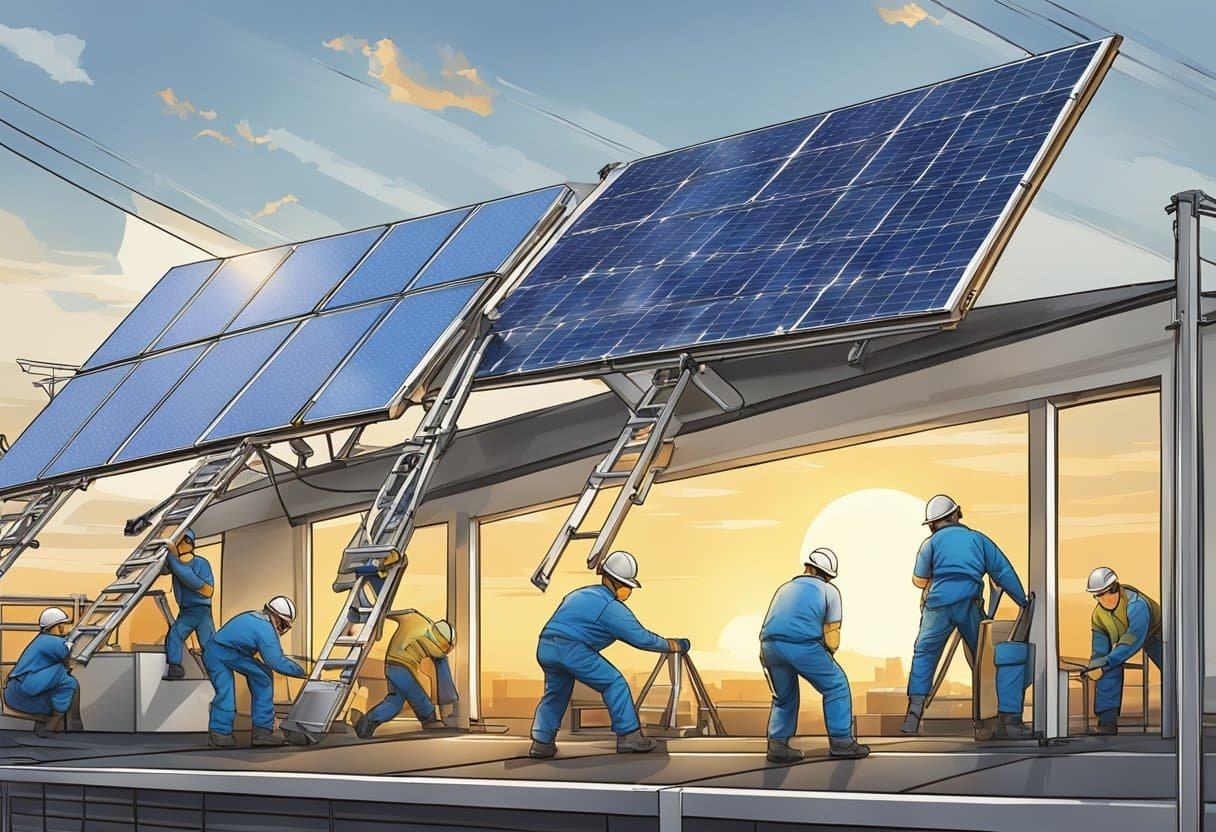
Have you ever wondered what it takes to ensure your solar panels are securely supported? Understanding roof framing components is crucial for a successful solar panel installation. In this blog post, we’ll simplify the complex world of roof structures, helping you determine the best setup for your home.
By the end, you’ll know how to make informed decisions and ensure your solar energy system stands the test of time. Let’s get started on unlocking the secrets of roof framing components!
Why Roof Framing Matters
First things first, why is roof framing so important for solar panels? Well, your roof needs to be strong enough to support the weight of the solar panels.
If it’s not, you could run into some serious issues down the line. The roof framing components play a crucial role in making sure everything stays safe and secure.
Roof Trusses – The Backbone
Think of roof trusses as the backbone of your roof. They are the main structural elements that support the weight of your roof and, eventually, your solar panels.
Trusses are typically made of wood or steel and come in different shapes and sizes. When installing solar panels, it’s important to make sure your trusses are in good condition and can handle the extra load.
Inspecting Your Trusses
Before installing solar panels, it’s a good idea to have a professional inspect your trusses. They’ll check for any signs of damage or wear and tear. If your trusses need reinforcement, it’s better to address this before the installation begins.
Rafters and Beams – The Support System
Rafters and beams are other critical roof framing components. Rafters run from the top of the roof to the bottom, while beams provide horizontal support. Together, they create a strong framework that can hold the weight of the solar panels.
Reinforcing Rafters and Beams
Sometimes, rafters and beams might need extra support. This could involve adding additional beams or using stronger materials. Your installer will assess the situation and make recommendations to ensure everything is up to code.
Roof Decking – The Foundation
Roof decking is the layer of material that sits on top of the rafters and beams. It’s usually made of plywood or oriented strand board (OSB). The decking provides a solid surface for the installation of roofing materials and solar panels.
Checking the Roof Decking
Before installing solar panels, your roof decking should be inspected for any signs of damage or weakness. If the decking is in poor condition, it might need to be replaced or reinforced. This will provide a stable base for the solar panels and help prevent future issues.
Fasteners and Connectors – The Glue Holding It All Together
Fasteners and connectors are small but mighty components. They hold the different parts of the roof framing together.
These can include nails, screws, and metal plates. Using the right fasteners and connectors is essential for ensuring the strength and stability of the roof structure.
Choosing the Right Fasteners
Not all fasteners are created equal. For solar panel installations, it’s crucial to use high-quality, corrosion-resistant fasteners. This will help prevent rust and ensure a long-lasting, secure installation.
Flashing and Sealants – Keeping Water Out
Flashing and sealants are used to prevent water from seeping into your roof. When installing solar panels, it’s important to make sure that all the roof penetrations are properly sealed. This will help prevent leaks and protect your home from water damage.
Proper Installation Techniques
Using the right techniques for installing flashing and sealants is key. Your installer should be experienced in working with solar panels and know how to properly seal all the roof penetrations. This will ensure that your roof remains watertight and protected.
Weight Distribution – Spreading the Load
Solar panels add extra weight to your roof, so it’s important to distribute this weight evenly. This involves placing the panels in a way that spreads the load across the roof framing components. Proper weight distribution helps prevent any single part of the roof from being overloaded.
Planning the Layout
Planning the layout of your solar panels is a crucial step in the installation process. Your installer will consider several factors, such as the size and shape of your roof, as well as the location of the trusses, rafters, and beams. They will also take into account the orientation and pitch of your roof to maximize sunlight exposure.
This comprehensive assessment helps ensure that the weight of the panels is evenly distributed, the roof structure remains stable, and the solar system operates at peak efficiency. Proper planning and attention to detail during this stage can significantly impact the long-term performance and durability of your solar installation.
Ventilation – Keeping Things Cool
Good ventilation is important for both your roof and your solar panels. Proper ventilation helps keep your roof cool and prevents overheating. It can also help improve the efficiency of your solar panels.
Installing Roof Vents
Installing roof vents can significantly improve your home’s ventilation system. These vents allow hot air to escape from your attic, which can reduce the overall temperature of your roof. Lower roof temperatures can prevent heat buildup, protecting your roof’s structural integrity.
Additionally, cooler roof conditions are beneficial for maintaining the efficiency of solar panels, as excessive heat can diminish their performance. By keeping your solar panels cool, you ensure they operate at peak efficiency, maximizing energy production and extending their lifespan.
Professional Installation – Why It Matters
Installing solar panels is not a DIY project. It requires expertise and experience to ensure everything is done correctly. A professional installer will have the knowledge and skills to handle all the details, from inspecting the roof framing components to ensuring proper weight distribution and ventilation.
Choosing a Reputable Installer
When choosing an installer, it’s important to do your research. Look for a company with a good reputation and plenty of experience in solar panel installations. Check reviews, ask for references, and make sure they are licensed and insured.
Don’t hesitate to ask about their previous projects and request a portfolio of their work. Additionally, ensure they provide a warranty for both the panels and their installation services.
This will help ensure that your installation goes smoothly and your roof remains safe and secure. Taking the time to find a reliable and experienced installer will save you from potential headaches and unexpected costs down the road.
Maintenance and Inspections: Keeping Everything in Check
After your solar panels are installed, regular maintenance and inspections are important. This will help ensure that everything continues to function properly and that any potential issues are addressed promptly.
Scheduling Regular Inspections
Your solar panels and roof will last longer if you have your installer check on them often. During these checks for signs of normal wear and tear, they might look for cracks or loose connections that could get worse if they aren’t fixed. To make sure your system lasts as long as possible, they can also fix anything that needs it.
These checks also check how well your solar panels work to make sure you are getting the most energy out of them and saving the most money. You can be sure that your system is working at its best and that your investment will last longer if you work on it regularly.
Common Issues and How to Avoid Them
Even with the best planning and installation, issues can sometimes arise. Here are some common problems and tips for avoiding them:
- Roof Leaks
Leaks can happen if the holes in the roof are not properly sealed. It might cost a lot to fix the damage this can cause. Make sure that the person who puts on your roof does it right and uses good flashing and sealants to avoid this.
Not only that but make sure that regular checks and maintenance are done so that any issues are found quickly and fixed before they get worse. Also, make sure that your roof is made to last in the weather where you live since harsh weather can make your roof even less reliable.
Structural Damage
Structural damage can result if the roof framing components aren’t robust enough to bear the weight of the solar panel installation. Over time, this can cause sagging, leaks, or even a complete collapse.
To avoid issues, have a professional thoroughly inspect and reinforce your roof if needed before installation. Understanding roof framing basics and ensuring your roof is adequately prepared will protect your home and maximize the lifespan and efficiency of your solar panels.
Poor Performance
Poor performance can occur if the solar panels are not properly installed or maintained. This can lead to reduced energy efficiency and increased costs over time. To avoid this, it’s crucial to choose a reputable installer with verified credentials and positive reviews.
Additionally, go here now to schedule regular maintenance and inspections to ensure your panels are clean, debris-free, and operating at peak efficiency. Proper care and attention can greatly extend the lifespan and effectiveness of your solar energy system.
The Importance of Understanding Roof Framing Components
In conclusion, roof framing components are integral to the successful installation and longevity of your solar energy system. By ensuring your roof trusses, rafters, beams, and other elements are in optimal condition, you can safeguard your investment and enhance the efficiency of your solar panels.
Working with a skilled installer and doing regular checks will help you stay away from problems. You can use solar energy with confidence because you know your roof framing parts can handle it.
Want to learn more? Don’t forget to explore our other articles before you leave!